
Why Property Managers Need a Water Heater Failure Response Plan
When a water heater fails in a rental home, duplex, condo, or small multifamily property, the situation can quickly disrupt tenants and create avoidable property damage. A written response plan helps property managers act quickly, communicate clearly, and know when to call a qualified Portland plumber.
For property managers overseeing residential units in the Portland metro area, a practical plan should cover tenant reporting, shutoff steps, documentation, plumber coordination, and follow-up maintenance. Whether you manage one rental home or several residential properties, planning ahead can make water heater service in Portland smoother and less stressful.
Common Signs of Water Heater Trouble
Tenants may not know how to describe a plumbing issue, so your response plan should list clear warning signs they can report. Early reporting can help you determine whether the issue needs prompt plumbing repair in Portland OR or routine service scheduling.
- No hot water or inconsistent hot water
- Water pooling near the tank or drain pan
- Rust-colored water from hot water fixtures
- Unusual popping, rumbling, or hissing sounds
- Hot water that smells unusual
- Visible corrosion on fittings, valves, or the tank
- Repeated tripped breakers for electric units
- Pilot light or ignition issues for gas units
Not every symptom means the water heater has failed completely, but each one should be documented and assessed. Service availability and recommendations may vary based on the condition of your plumbing system.
Step 1: Create a Tenant Reporting Process
Your plan should make it easy for tenants to report water heater concerns before they become larger problems. Include instructions in your move-in packet, tenant portal, or maintenance request system.
Ask Tenants to Provide Key Details
- When the issue started
- Whether the problem affects all hot water fixtures or only one area
- Photos or video of visible leaking, if safe to capture
- Whether there are electrical, gas, or burning smells present
- Whether water is actively spreading beyond the water heater area
Clear information helps you decide whether to dispatch maintenance staff, call for water heater service Portland support, or provide temporary tenant instructions.
Step 2: Document Each Water Heater Before Problems Happen
Property managers should keep a simple record for every water heater in each unit or property. This makes decision-making faster when service is needed.
Track These Water Heater Details
- Property address and unit number
- Water heater location
- Fuel type: gas, electric, or other system type
- Manufacturer and model number
- Serial number, if visible
- Tank size or system capacity
- Installation date, if known
- Past service notes and repair history
- Photos of the unit, shutoff valve, drain pan, and surrounding area
This documentation can help a plumbing professional understand the system before arriving and can support more efficient home plumbing services across your managed properties.
Step 3: Know the Shutoff Locations
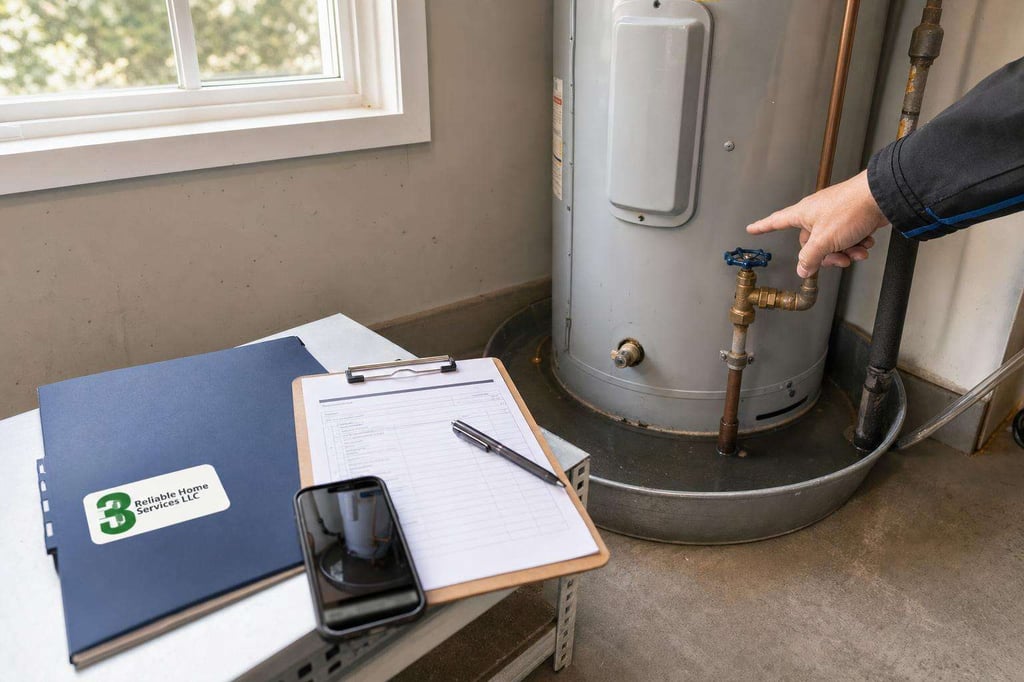
A water heater failure response plan should identify shutoff points before a leak occurs. Property managers, maintenance teams, and tenants should know what to do if water is actively leaking and it is safe to respond.
Include These Shutoff Details in Your Plan
- Cold water shutoff valve location at the water heater
- Main water shutoff location for the property
- Gas shutoff location for gas water heaters
- Electrical panel location for electric water heaters
- Any access notes, such as locked closets, garages, basements, or utility rooms
If tenants are instructed to shut off water, make the directions simple and safety-focused. Tenants should not attempt repairs, relighting, electrical work, or troubleshooting beyond basic reporting and safe shutoff steps.
Step 4: Build a Service Call Checklist
When you contact a plumber, having the right information ready can help the appointment move more efficiently. A reliable residential plumbing Portland provider will want to understand the issue, the property access details, and whether active leaking is present.
Prepare This Information Before Calling
- Property address and unit access instructions
- Tenant contact information, if appropriate
- Description of the issue and any photos
- Water heater type and location
- Whether water is actively leaking
- Whether the water has been shut off
- Any known prior repairs or recurring symptoms
This checklist is especially useful for property managers handling multiple maintenance requests at once.
Step 5: Plan for Tenant Communication
Hot water issues can be frustrating for tenants. A communication template helps set expectations and reduces confusion while service is being coordinated.
Your Tenant Update Should Cover
- Confirmation that the report was received
- Any immediate safety or shutoff instructions
- Estimated timing for inspection or service scheduling
- Access requirements for the plumbing technician
- Follow-up steps after the inspection
Keep updates factual and avoid overpromising. If replacement, parts, or additional plumbing system upgrades are needed, timelines may depend on the condition of the system and product availability.
Step 6: Inspect for Related Plumbing Problems
A water heater issue may be connected to other plumbing concerns. During service, it can be helpful to ask the plumber to note nearby valves, supply lines, visible corrosion, pressure concerns, or drainage conditions.
For example, a leaking water heater located near a floor drain may also reveal the need for drain cleaning Portland service if water does not drain as expected. Visible moisture near walls, flooring, or utility areas may also require leak repair Portland support to prevent further damage.
Areas to Review During or After Service
- Water heater supply lines and shutoff valve
- Drain pan condition and drain routing
- Nearby flooring, drywall, and baseboards
- Vent connections for applicable systems
- Water pressure concerns
- Signs of previous leaks or corrosion
Step 7: Decide When Repair or Replacement Makes Sense
Not every water heater concern requires replacement. Some issues may be resolved with maintenance or repair, while others may point to a unit near the end of its usable service life. A professional inspection can help you compare repair options, replacement considerations, and any needed code-related updates.
For Portland property managers, the best decision often depends on the unit condition, past repair history, tenant needs, access limitations, and whether related plumbing system upgrades are recommended.
Preventive Steps for Managed Residential Properties
A response plan is most effective when paired with preventive maintenance. Routine visual checks and timely service can help property managers spot issues before tenants experience a complete loss of hot water.
Consider Adding These Tasks to Your Maintenance Calendar
- Visually check water heater areas during property inspections
- Confirm shutoff valves are accessible and clearly identified
- Look for rust, moisture, staining, or corrosion
- Ask tenants to report hot water changes early
- Keep updated photos and equipment records
- Schedule professional evaluation when warning signs appear
These steps can support better planning and more consistent residential plumbing repair across your rental portfolio.
Partner With a Local Plumbing Team
Water heater failures are easier to manage when you already know who to call. 3 Point Plumbing llc provides helpful plumbing support for homeowners and residential property managers in Portland, OR and the Portland metro area. From water heater service to leak repair, drain cleaning, and plumbing repair Portland OR, having a local team available can help you respond with confidence.
If you manage residential properties and want help with a water heater concern, contact 3 Point Plumbing llc to request service. For practical next steps, Request service and talk with the team about timing, scope, and the right path for your situation.