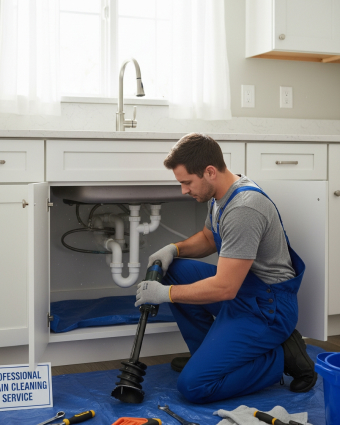
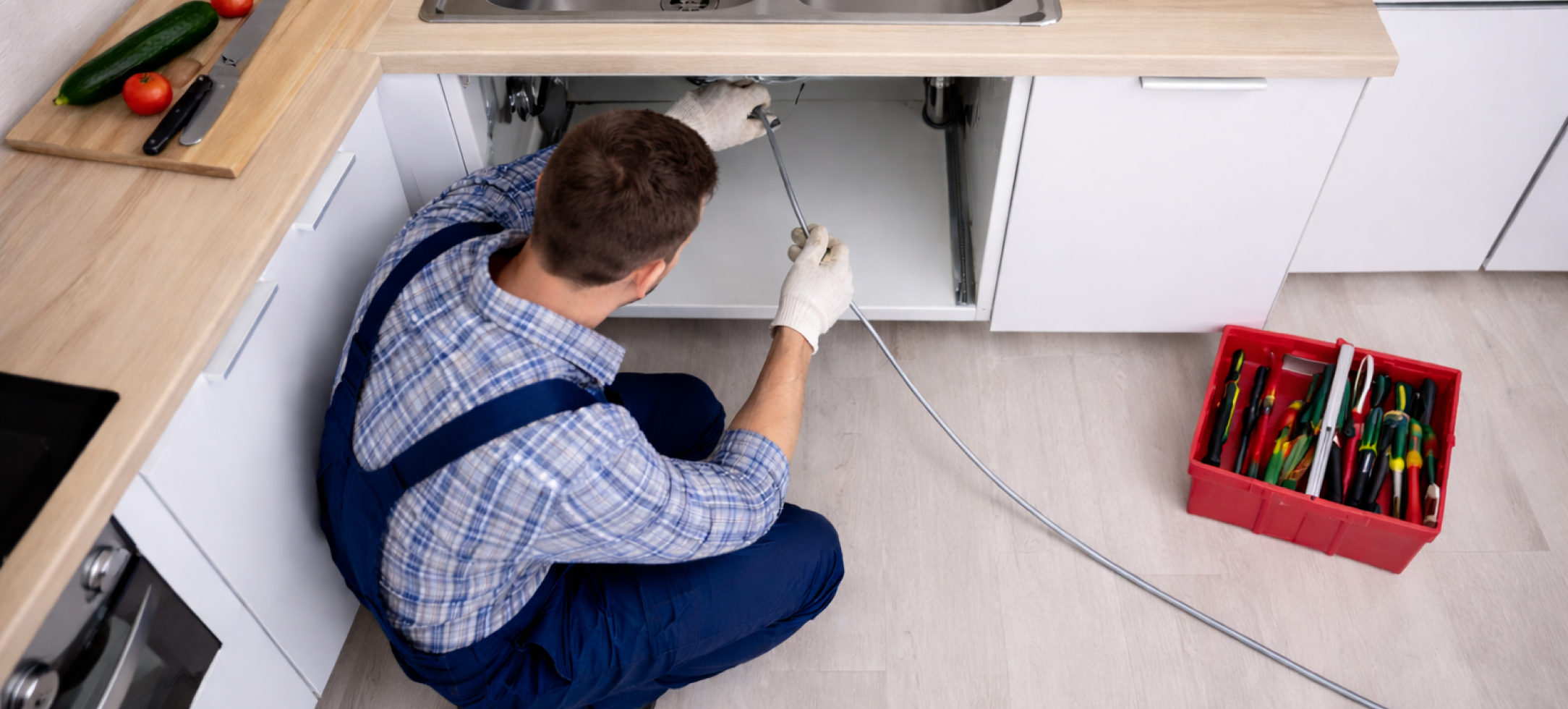
Plumber in uniform repairing pipes under a residential kitchen sink

What to Expect from Residential Drain Cleaning

Residential drain cleaning resolves slow or blocked drains in sinks, tubs, showers, and other household plumbing. The service removes buildup to restore proper water flow and helps reduce the risk of backups or water damage. We start by identifying the source of the blockage, recommend the most effective cleaning approach, and explain each step of the process so you know what to expect.

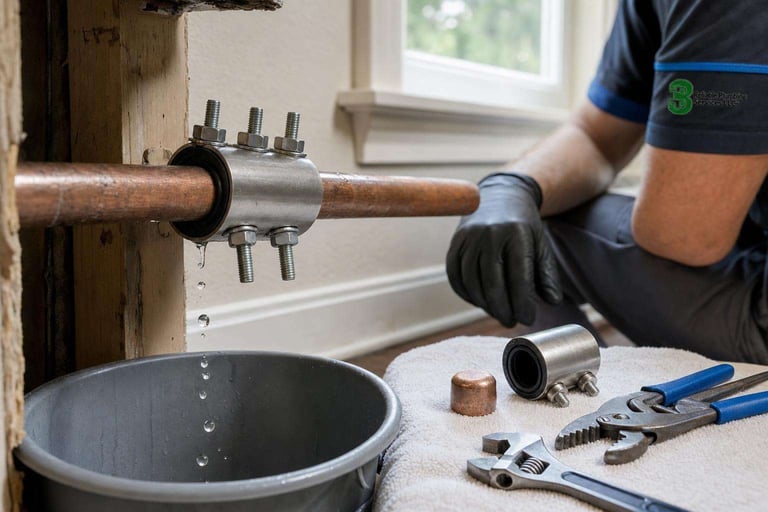
Plumber wearing gloves using a wrench to tighten a pipe under a kitchen sink.
Clear Explanations Before Work Begins

We review the symptoms of your drain problem and outline the steps we’ll follow to address it, so you understand the process from start to finish.

Careful Assessment and Cleaning

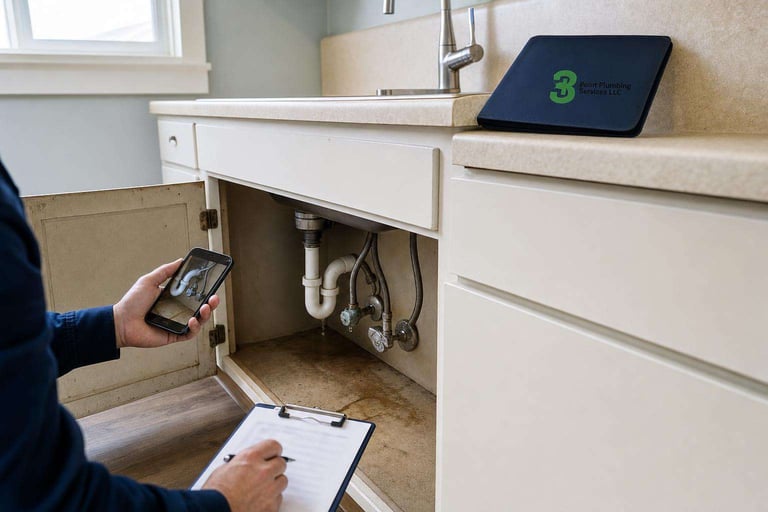
We inspect your household drains, determine the cause of slow or blocked flow, and use the right cleaning tools to restore normal drainage.

What Happens After Cleaning

We review the results of the cleaning, provide tips to help prevent future clogs, and answer your questions about ongoing drain care.

Frequently Asked Questions

Q. What can I do to help prevent future drain clogs in my home?
To reduce the risk of clogs, avoid pouring grease or oil down the drain, use drain strainers to catch hair and debris, and regularly flush drains with hot water. Being mindful of what goes down your drains helps maintain clear plumbing lines.
Q. How do plumbers clear blocked drains in residential homes?
Plumbers use specialized tools such as drain snakes, augers, or hydro-jetting equipment to remove obstructions and restore proper flow. They may also perform a camera inspection to identify the location and cause of the blockage.
Q. When should I call a plumber for drain cleaning instead of using household products?
If you experience repeated clogs, slow drainage that does not improve with basic methods, or water backing up into fixtures, it is best to contact a plumber. Professional drain cleaning is recommended when household products or plungers do not resolve the issue.
Q. What causes residential drain clogs?
Common causes of drain clogs are grease buildup, hair, soap residue, food scraps, and foreign objects accidentally entering the drain. Over time, these materials can restrict water flow and lead to blockages.
Q. What are common signs that my home’s drains need professional cleaning?
Typical signs include slow draining sinks or tubs, standing water, recurring clogs, gurgling sounds from pipes, or unpleasant odors coming from drains. These symptoms often indicate a blockage or buildup in your drain lines.
GET IN TOUCH

Request Service or Ask a Question

    How to Get Started

    What to Expect After You Reach Out

    Use the form to let us know what plumbing service you need or to ask a question. You can also call or email us if that is easier for you.

    After we receive your message, our team will review your information and contact you to discuss your request and explain the next steps.

    0 +

    Completed projects

    0 %

    Client Satisfaction

    Plumbing News and Updates

    Home Plumbing Guides

    Scroll to Top